PINK CUT PINK
RUSCHMAN
September 4th — October 30th, 2021

PINK CUT PINK, installation view at RUSCHMAN, Chicago, 2021
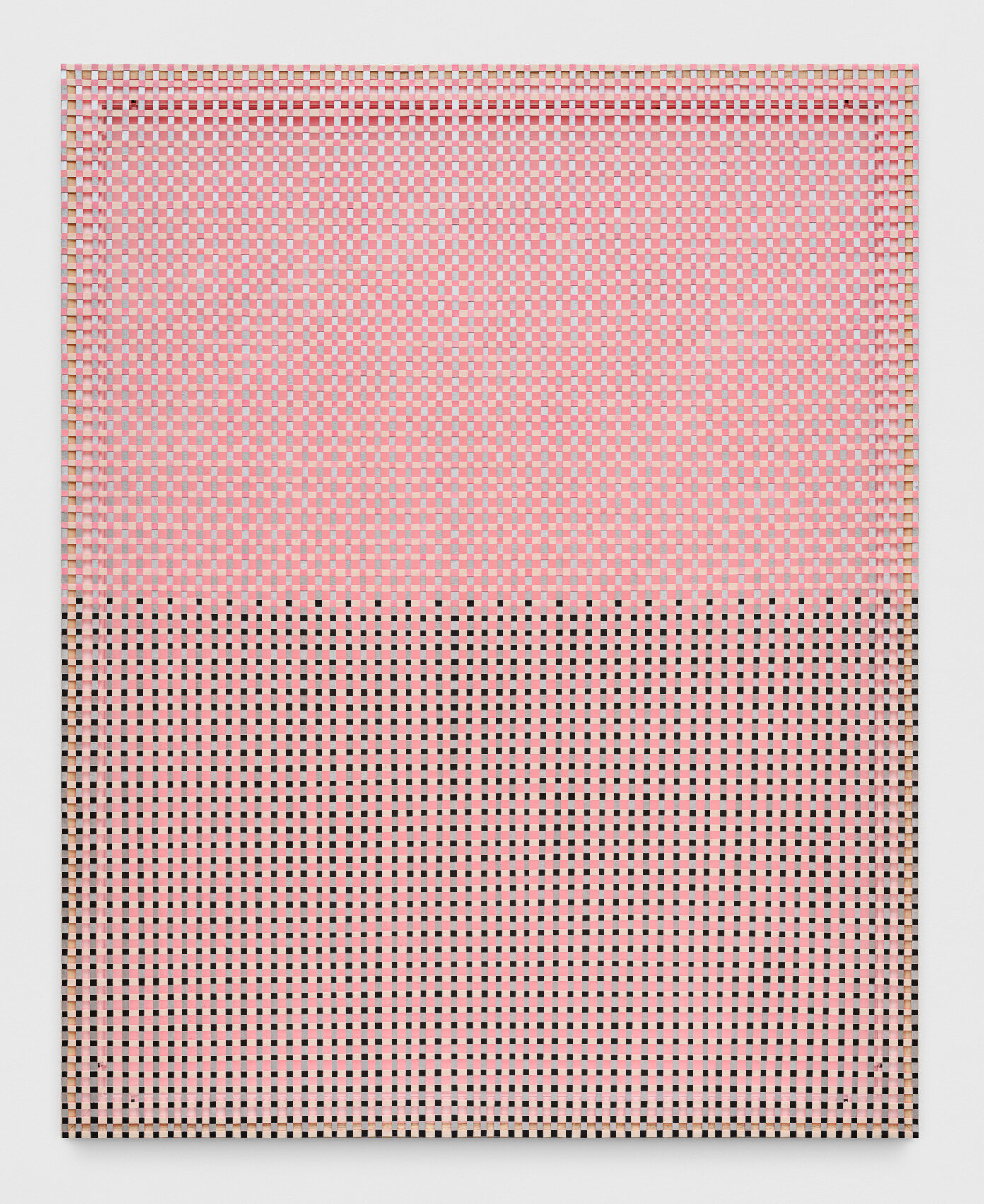
Blushing, oil and acrylic on woven canvas, 175cm x 140cm, 2021
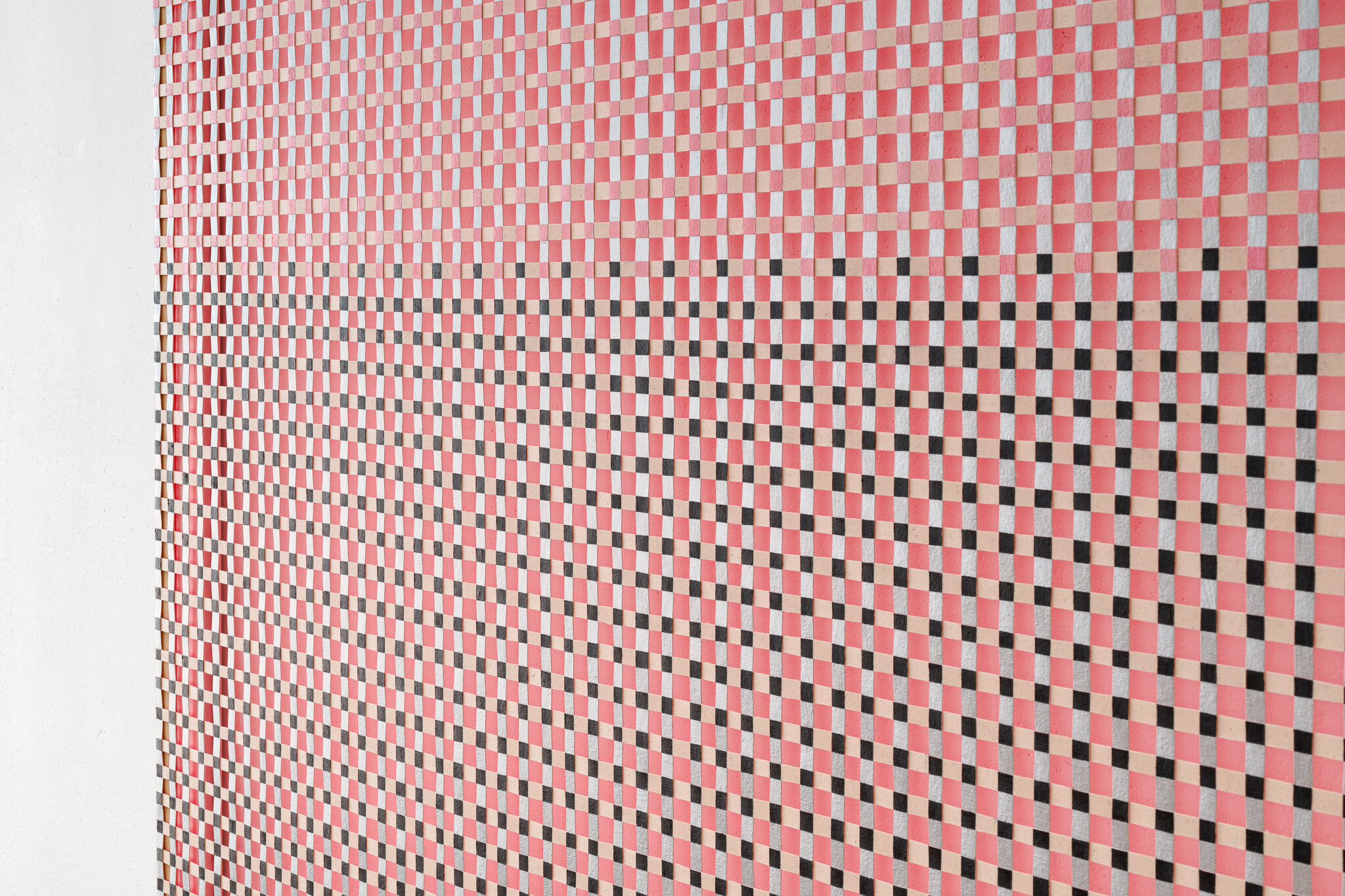
Blushing, detail
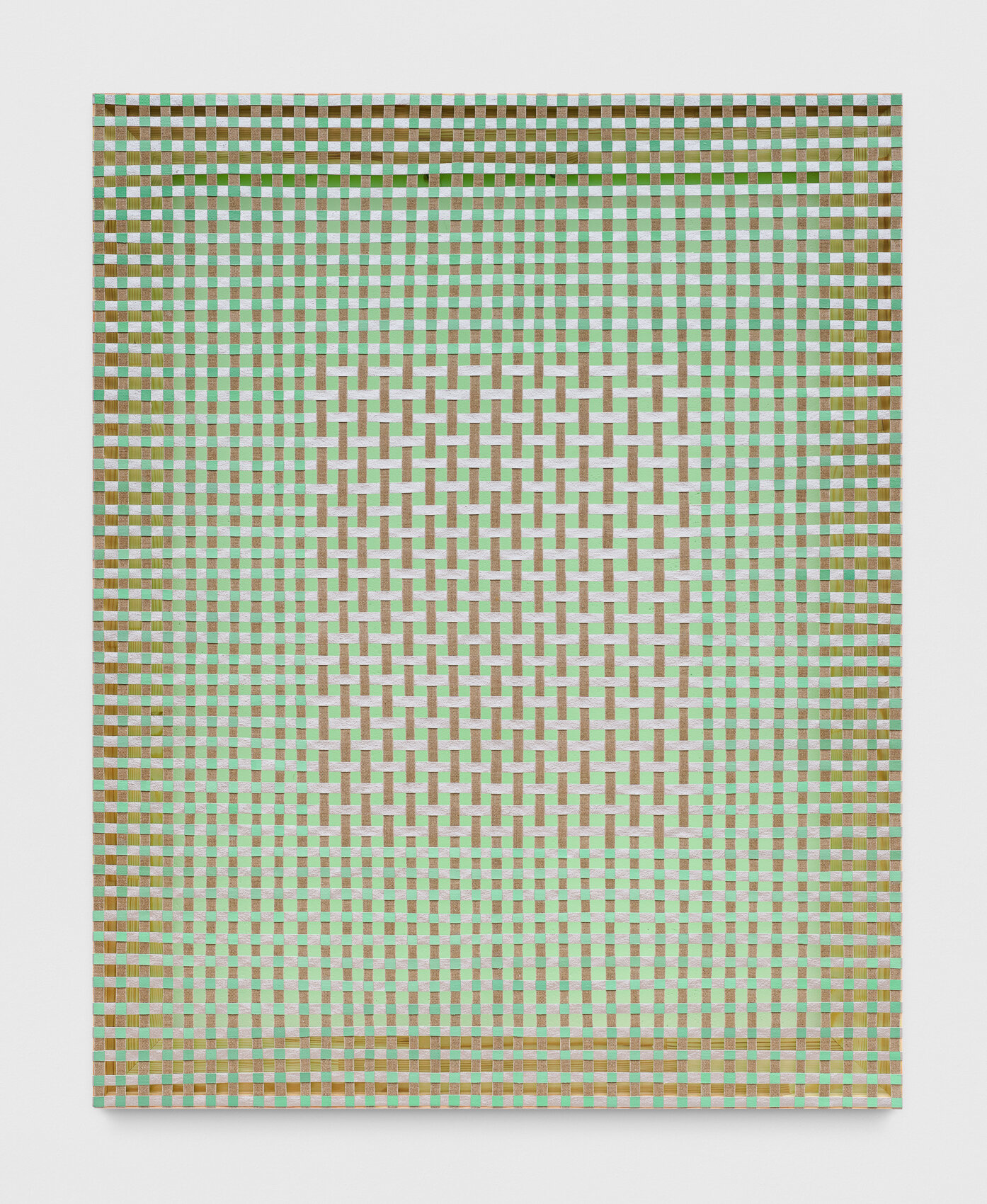
On A Clear Day, oil and acrylic on woven canvas and linen, 100cm x 80cm, 2021
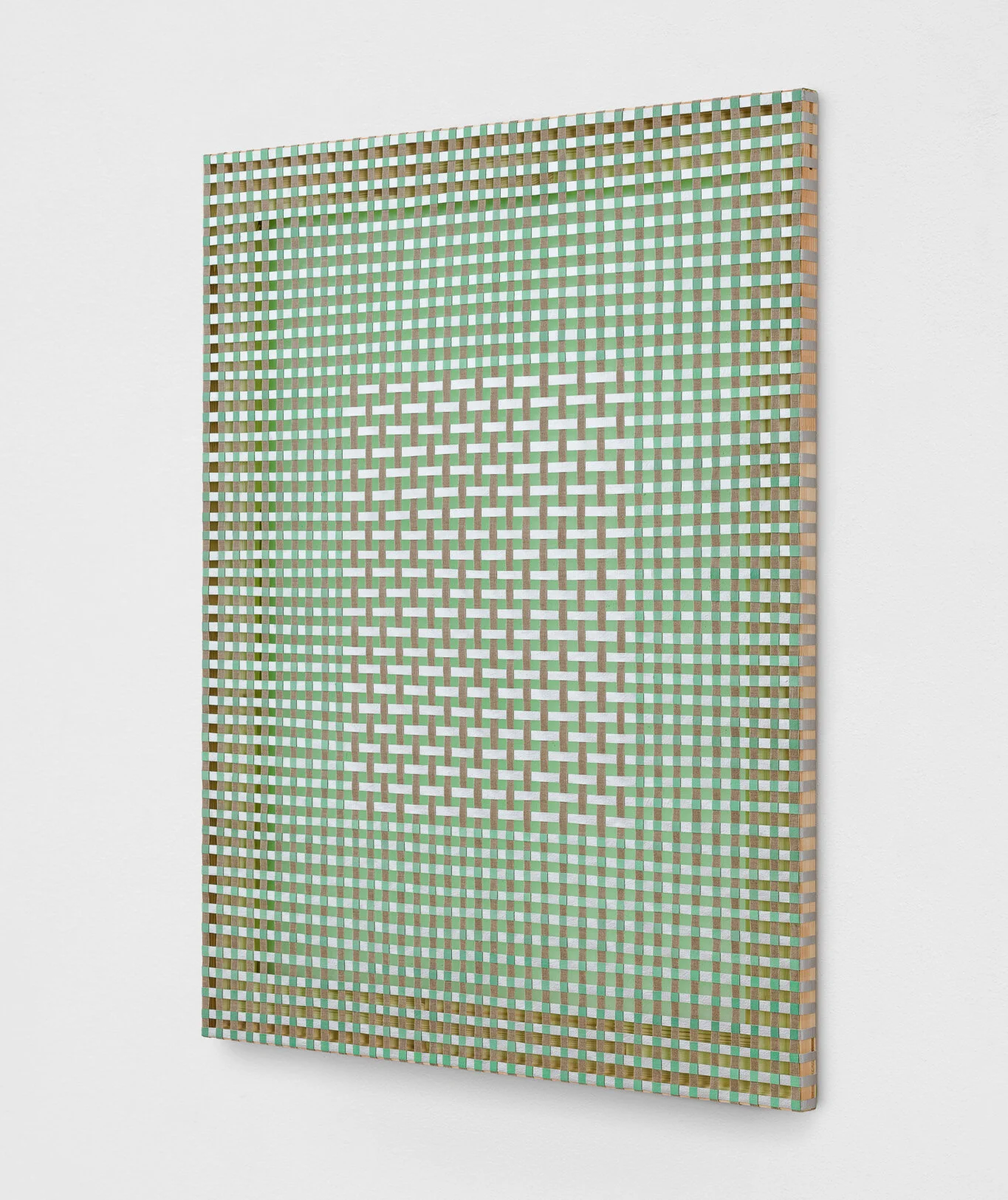
On A Clear Day, side view
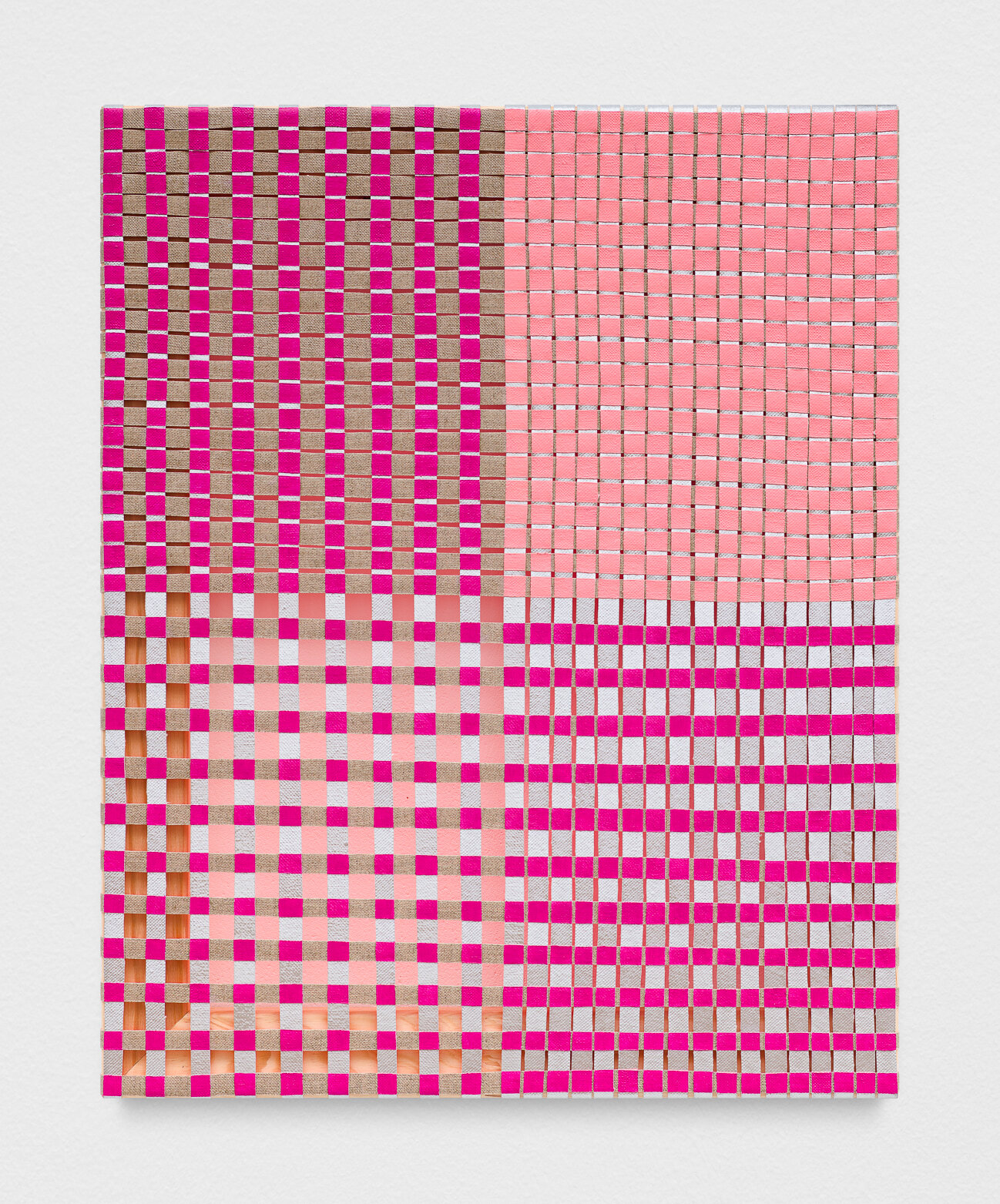
Untitled, oil and acrylic on woven canvas and linen, 50cm x 40cm, 2021
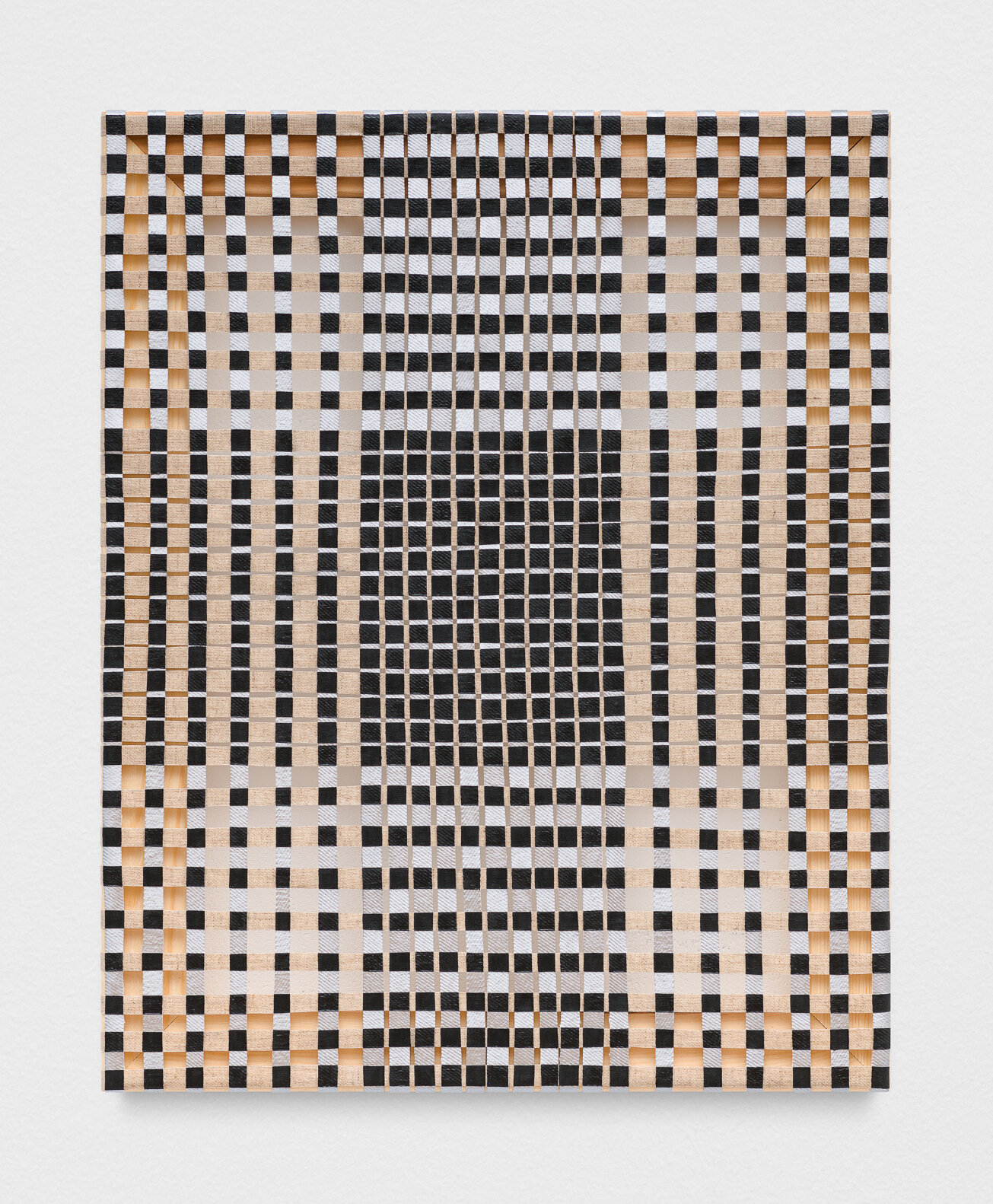
Untitled, oil and acrylic on woven canvas and linen, 50cm x 40cm, 2020

Untitled, oil and acrylic on woven canvas and linen, 100cm x 80cm, 2021
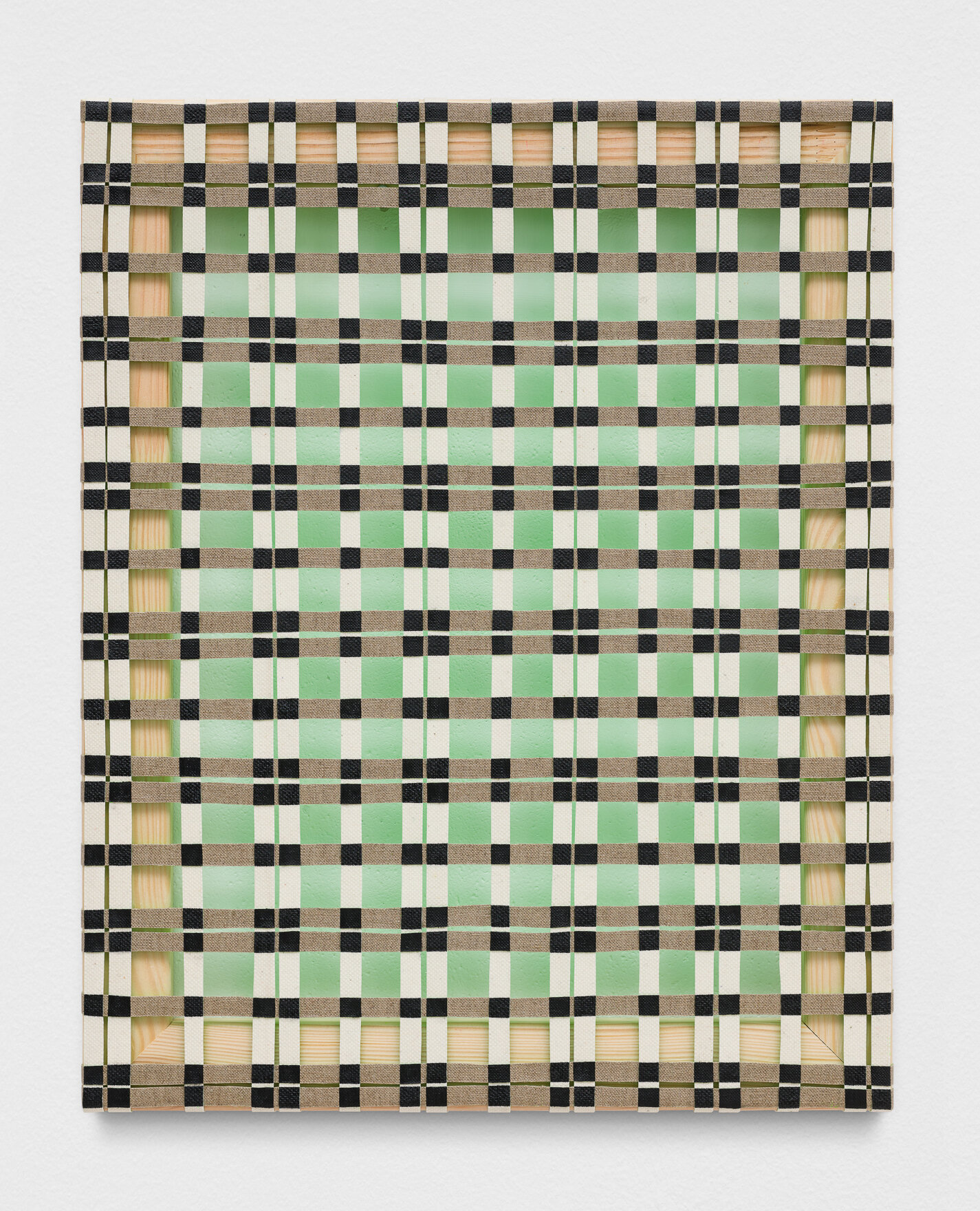
Untitled, oil and acrylic on woven canvas and linen, 50cm x 40cm, 2021
PINK CUT PINK
There is no way to read x other than through y, a friend tells me, even if x came before y and you’ve never read y. (The variables standing in here for two male authors who have been given more than enough stage time in the arts discourse over the past decades). I remember struggling with this statement, so confidently thrown at me by my friend, suspicious of the seduction of such inversions that sound clever because they make you feel stupid, as if you had not gotten the memo about how to bend your thinking into the latest knot. I remain suspicious of this kind of rhetoric and yet, in Katy Kirbach’s studio, listening to her speak about the last painting in the series that forms the body of Pink Cut Pink, I begin to think that maybe my friend was right. Because in the seriality that is creation, things that come later in time may have been present in the other works all along. There is no way to look at any of the paintings of the show other than through On a Clear Day (even if you’ve never seen it). It is present in all of them, but not as an outcome or consequential step in a series of one thing leading to the next. Not as an answer to a question asked in the beginning. But rather present as an absence, a lingering question that had not articulated itself – yet. I believe that all making is moved by this not-yet, this leaning towards something, what Anne Carson defines as the dialectic that moves desire itself. Paradoxically then, it seems to be seriality that undoes linearity, and I say paradoxically because up until that day in Kirbach’s studio, moving close up to the paintings and away again, looking at them individually and as a series, I had thought seriality and linearity were just two terms dragging the same cart along the time arrow. They might not mean the same thing but they were running in the same direction. It needs a clear day for me to put into words what my moving, seeing body in her studio knew all along: Seriality in Kirbach’s work is a spatial concept.
CUT
Iris, the protagonist of Clare Sestanovich’s short story Annunciation is having a spiritual moment. Induced by a sunburn. Sitting at the pool by her mother’s house she can feel her skin turn pink: “It seems for a moment like a religious thought: that light is also heat.” We are so accustomed to treating color as attributes applied to objects that the mere thought of feeling color (the heat of a sunburn on your skin, your cheeks burning with excitement, your face blushing in embarrassment) seems like cheekily sticking one pinky finger into the mystical. In Kirbach’s studio I can’t help to think that there is something cheeky about her paintings, too. A certain playfulness in the way they withdraw, in the way they ask me to bring my body into just the right position to see them blush. Matching the paint applied to the cross-sections of the weave to the reflecting light of color painted on the back is a process that requires skill and precision on behalf of the maker, but it also creates a sensation of precarious longing in the viewer. The authority of spectatorship that binds an artwork to the eye of the beholder is unsettled because the beheld seem to demand to be seen in the right light – which, depending on the light conditions on a particular time of the day in a particular space, might not be accessible from the familiar viewing position AKA the frontal view. I find myself trying to catch up with these paintings by moving my body in space, a play of longing, seduction and coy reveal. To see them blush – which is the word I keep returning to in order to describe the effect of reflection and paint bleeding into one another – makes me acutely aware of my own body. Bent forward or sidewards in my attempt to find the perfect viewing position I feel like I must be blushing too, so aware am I of my voyeuristic desire to see something that is constantly slipping away from my view.
- excerpt from “Pink Cut Pink” by Marie von Heyl